
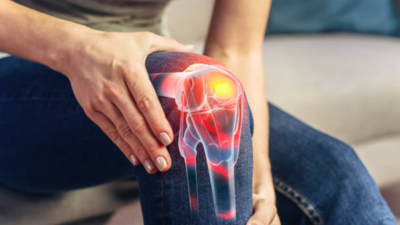
Joint pain affects millions of people worldwide and can stem from a variety of causes including arthritis, joint overuse, injuries, ageing, inflammation, vitamin deficiencies, excess body weight and even cold weather. Left unchecked, pain and stiffness can limit mobility and degrade quality of life. Yet, many common misconceptions about joint pain persist, delaying proper care and contributing to unnecessary suffering.Health experts emphasises that timely intervention and evidence-based management are key to maintaining joint function and mobility. Below, we tackle common joint pain myths with scientific backing.
Myth 1: Joint pain management involves surgery
Fact: In an interview with the Times of India, Dr Abhay Chhallani, Orthopedic Surgeon at Seawoods and Vashi in Navi Mumbai, shared, “This is a false statement! Joint pain tends to improve with rest, physiotherapy, medicines or lifestyle changes. Surgery is a last option if the pain doesn’t subside. The treating doctor will decide what is suitable for you based on the pain intensity. Hence, no need to panic.”A 2015 high-quality meta-analysis in Cochrane Database of Systematic Reviews showed that structured exercise programs significantly reduce pain and improve joint mobility without surgery, underscoring that physical therapy and controlled activity are central to management. The authors noted, “Exercise therapy has positive effects on pain and physical function in people with osteoarthritis and should be considered a core intervention.”
Myth 2: Joint pain is a common occurrence in the elderly population
Fact: Dr Chhallani revealed, “While joint pain is particularly seen in elderly people, currently, young people can also develop joint pain due to poor posture, sports injuries, or a sedentary lifestyle. So, it is necessary to consult an orthopaedic who will help you to manage joint pain without any further delay.”
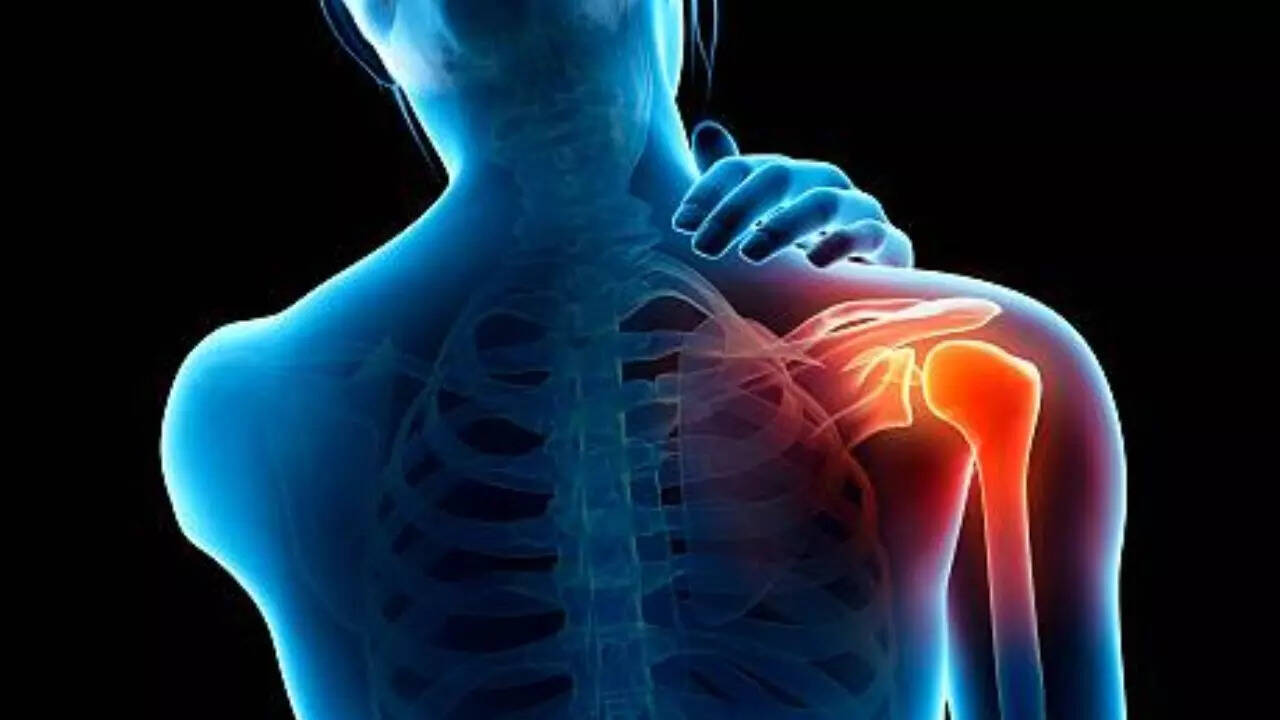
Stop Believing These 5 Joint Pain Myths Before They Permanently Damage Your Mobility
A 2020 study in BMC Musculoskeletal Disorders highlighted that joint pain is not exclusive to older adults; it also affects younger people, especially when lifestyle factors contribute to stress on joints. The study found, “Musculoskeletal pain, including joint pain, is common in adolescents and young adults and is associated with physical inactivity, sports participation patterns, and psychosocial factors.”
Myth 3: Exercise will further increase the joint pain
Fact: Dr Chhallani advised, “Gentle mobility and strengthening exercises, as advised by the expert, will help to improve joint health. Only overexertion or wrong techniques can cause problems. It is better to exercise under the guidance of an expert. Take physiotherapy as advised by the doctor to reduce joint pain and stay mobile.”The 2019 Arthritis Foundation Guidelines for Osteoarthritis Physical Activity by American College of Rheumatology, published in Arthritis Care & Research established, “Evidence strongly supports the role of physical activity and exercise in improving pain and function in people with osteoarthritis and joint pain.” These professional guidelines recommend tailored exercise programs as a first-line strategy for managing joint pain, focusing on strengthening, flexibility and functional movement.
Myth 4: Joint pain management involves taking painkillers
Fact: Dr Chhallani opined, “Painkillers, as advised by the doctor, provide temporary relief. However, long-term management requires addressing root causes through therapy, exercise. So, visit an orthopaedic who will design an appropriate treatment plan for you. Taking any medication on your own is a strict no-no. It is time to pay attention to joint health and improve the quality of life.”Research consistently finds that while medications can help manage acute pain, non-pharmacologic interventions including exercise, weight management and physical therapy are essential for sustainable improvement. As per the Arthritis Foundation Treatment Guidelines, “Non-pharmacologic strategies such as exercise, weight loss, and activity modification are key components of long-term joint pain management.”
Myth 5: Home remedies help to relieve joint pain
Fact: Dr Chhallani warned, “Many people tend to opt for home remedies like ginger, turmeric and green tea, which are not advisable. People also take supplements on their own to tackle joint pain. People should follow the doctor’s advice only. Don’t believe anything and everything promoted on social media. Home remedies may reduce discomfort but cannot replace medical treatment if there’s an underlying disease. It is necessary to consult a doctor to know the underlying cause of joint pain.”
Joint Pain Explained: What Actually Works And What’s Just a Myth
A 2018 research in Osteoarthritis and Cartilage confirmed that while some nutraceuticals show limited benefit for pain relief, they are not curative and must be complemented with professional care. The researchers noted, “Certain supplements may offer modest benefit for symptom relief but do not alter disease progression and should not substitute comprehensive clinical management.”
Bottom Line
Joint pain does not have to be a life sentence but it does require accurate understanding and timely action. As Dr Abhay Chhallani stressed, dispelling myths empowers individuals to pursue effective, science-based strategies that protect long-term joint health.Consulting a qualified orthopaedic specialist and following an evidence-based plan helps manage pain, preserve mobility and enhance quality of life. It is time to clear all the misconceptions regarding joint pain and seek timely help. So, get going and pay attention to your joints right away!Note: The information provided in this article is for educational purposes only and is not intended as medical advice. Always consult with a qualified healthcare professional before starting any new medication or treatment and before changing your diet or supplement regimen.