
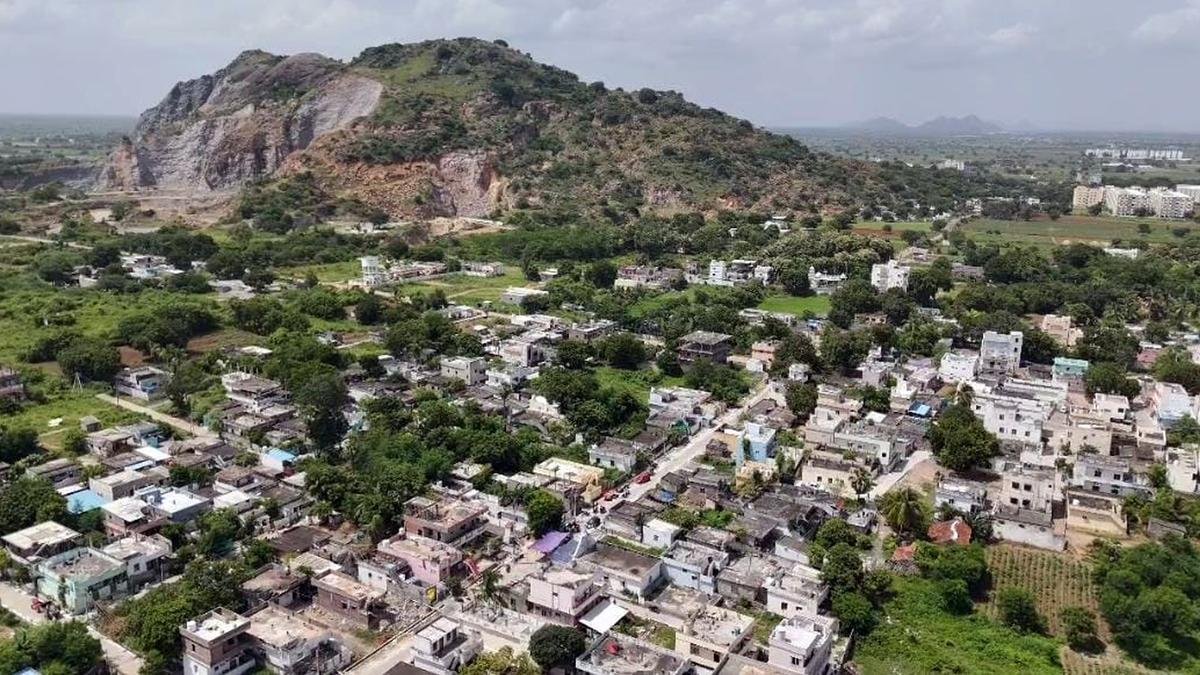
In the rural expanse of Guntur, Turakapalem is a close-knit community, with most residents working land, doing small trades or taking employment at stone crusher units and jute mills. Sprawling near a hill, the village is home of 2,517 people in 827 families, living in the steady rhythm of hope, stability and shared happiness. In 2025, however, a mysterious malady descended on Turakapalem, picking off 29 people in a span of just five months and plunging the once-thriving village in grief and a desperate search for answers.
The village is currently under a health emergency, and government teams are visiting households and compiling health profiles of all residents to find the cause and prevent further deaths.
A shattered family
At her modest house, 45-year-old Menthula Sujatha stands by the portrait of her husband Ratna Kumar. Sujatha, a farmhand, and Ratna Kumar, a supervisor at a stone crusher unit, had been married for 30 years and raised two sons — Anil Kumar, a budding software engineer and Paul Chakravarthi, who is pursuing his MS in the U.S. Theirs was a life built from the scratch and just when the success of their sons was about to bring relief and happiness to their family, tragedy struck.
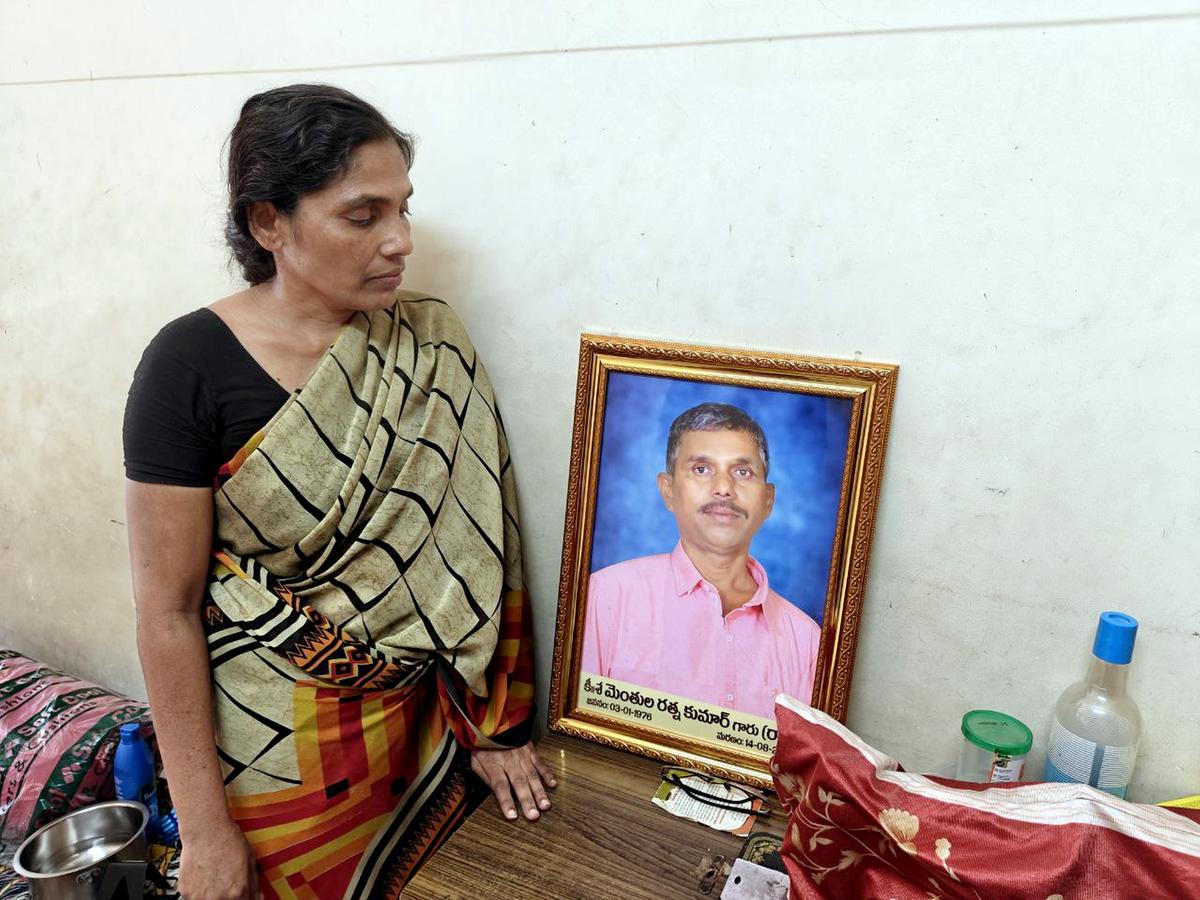
Menthula Sujatha, wife of Ratna Kumar, at her house in Turakapalem village near Guntur.
| Photo Credit:
T. Vijay Kumar
On July 24, Ratna Kumar began feeling a bit unwell. A teetotaler and non-smoker, he thought it could be some seasonal illness. Despite taking the medicines prescribed by the local clinic, however, there was little improvement. Two days later, his blood samples were tested at a private hospital in Guntur city, and the results showed that he had typhoid and urinary tract infection. The doctors also discovered that he had kidney stones and recommended a surgery to remove them.
The surgery was performed on July 31, and he was healing properly afterwards. Though the doctors said he would be discharged in a week, the holidays delayed it by three days. Just before his discharge on August 11, he began shivering and asked for a blanket, despite not having any fever at that time.
After examining him, the doctors suggested that he be admitted to another private hospital. There, the doctors declared him brain dead. The panicked family rushed him to Government General Hospital, where he was placed in ventilator, but three days later, on August 14, he died. “He sacrificed his whole life for us. Now, when our children are ready to stand on their feet, he is no more; this loss is unbearable,” says Sujatha.
Sujatha is not alone in the grief. A short distance away, 66-year-old carpenter Dodda John Babu mourns the death of his only son, 42-year-old Satish Babu, who left behind a wife and two teenage daughters. John Babu says Satish Babu was the first person to die in the series of deaths reported in the village since January.

“The doctors at a private hospital in Guntur told us that he was suffering from kidney and liver issues and started dialysis, but he died within a month.”Dodda John Babu Father of Satish Babu
Satish Babu was a cab driver and was in Tirupati in January on a contract when he suddenly took ill with breathing problem and was admitted in the Tirumala Tirupati Devasthanam’s hospital. He was late shifted to Guntur. “The doctors at a private hospital in Guntur told us that he was suffering from kidney and liver issues and started dialysis, but he died within a month,” explains Dodda John Babu, grief breaking his words.
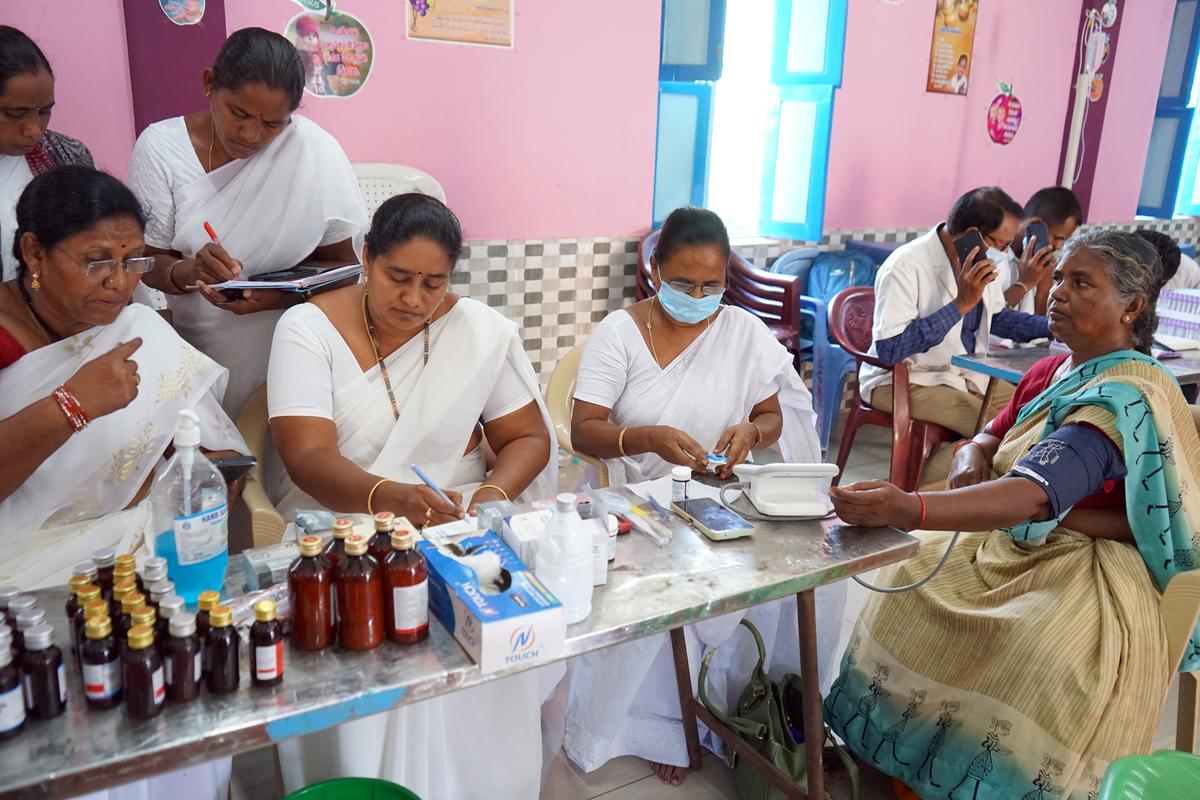
A medical team taking the blood sample of a villager at Turakapalem village near Guntur following the announcement of a health emergency.
| Photo Credit:
T. Vijay Kumar
John Babu says deaths happened almost every week and, in certain months, one person died every alternate day. Deaths surged between April and September 3, with July-August alone reporting 20 deaths.
The development prompted Chief Minister N. Chandrababu Naidu to declare a health emergency in the village. Subsequently, the government deployed special medical teams in the village to collect blood samples from every resident.
Numbers speak
The Crude Death Rate (CDR) in India is seven per 1,000 population per annum. In Andhra Pradesh, it is 8 and 9 in Guntur district. Turakapalem, however, witnessed 29 deaths — 22 men and 7 women — in this financial year, according to reports from the Health department. That’s more than one percent of the village’s total population.
Of the total deaths, two men died in April, two men and a woman in May, a man and a woman in June, six men and four women in July, 10 men in August, a man and a woman in September (till 3).
“Field investigation revealed that most of the deceased had fever with breathlessness, with a high prevalence of co-morbidities such as diabetes, renal diseases and respiratory illness.”Korra Vijaya LakshmiDistrict Medical and Health Officer of Guntur
According to District Medical and Health Officer (DMHO-Guntur) Korra Vijaya Lakshmi, field investigation revealed that most of the deceased had fever with breathlessness, with a high prevalence of co-morbidities such as diabetes, renal diseases and respiratory illness. The medical teams also noticed environmental risk factors such as damp soil, cattle sheds, poor drainage and superstitions stopping the people from seeking early medical intervention.
A deadly infection
One suspect is a deadly infection called Melioidosis, which a private clinic has confirmed in two deaths in the village.
According to a paper titled ‘CD Alert, National Centre for Disease Control, Directorate General of Health Services,’ published in April 2019, Melioidosis is an infectious disease caused by gram negative bacterium Burkholderia pseudomallei. It is seasonal with 75-85% of cases occurring during the monsoon. The clinical spectrum of illness is diverse and ranges from pulmonary consolidation and localised abscesses to rapidly fatal septicemia.
Melioidosis has a high case fatality rate (CFR), ranging from 16% to 50% in known endemic regions. Several risk factors are associated with melioidosis including immunosuppressive conditions such as diabetes and other diseases like chronic kidney disease, and certain drug treatments.
The government has initiated measures such as house-to-house survey, health camps, blood sample collection, water testing, health education and counselling. The Health department has come to the preliminary opinion that the cause was likely infectious in aetiology, occurring in immunocompromised individuals.
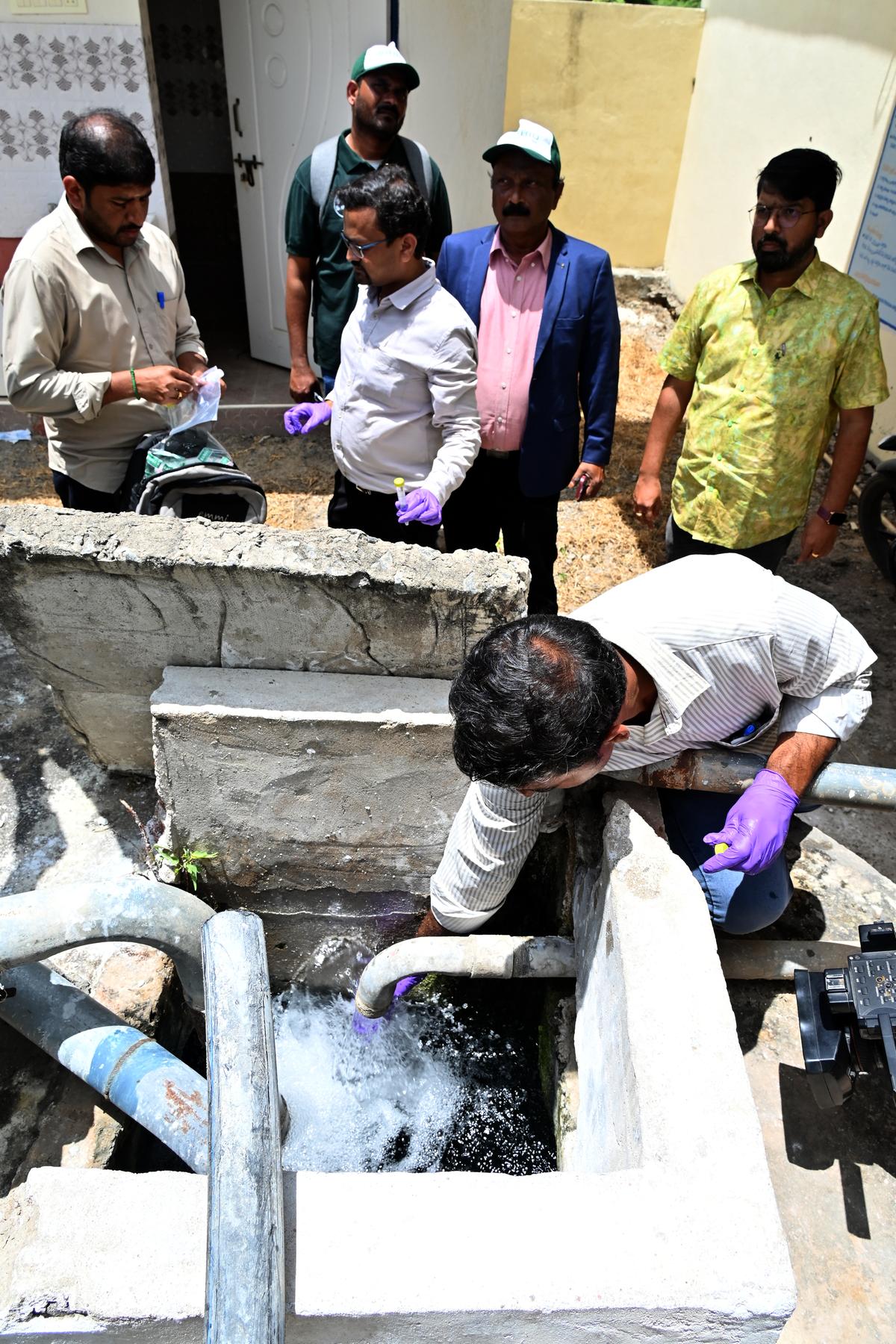
Water samples being collected from a house at Turakapalem village near Guntur.
| Photo Credit:
T. Vijay Kumar
According to the preliminary death analysis report of the Health department, the deaths occurred owing to co-morbidities such as cardiac arrest, stroke, heart attack, renal failure, myocardial infraction, bladder cancer, cardiopulmonary arrest, cirrhosis of liver, sepsis, multi organ failure and multi organ dysfunction syndrome. There were 13 deaths related to non-communicable diseases, 10 related to communicable diseases and five owing to old age. Nine persons were aged above 60 years, 14 were aged 45-60, four were aged 30-45 and two were aged 20-30.
S.S.V. Ramana, superintendent of Government General Hospital (GGH-Guntur), says that a 2025 study, titled ‘Two decades of melioidosis in India: A comprehensive epidemiological review’, puts the total number of cases reported by different States in India till date at 499 in Karnataka, 210 in Tamil Nadu, 58 in Kerala, 79 in Puducherry, 36 in Telangana, 10 in Maharashtra, 7 in Goa, 5 in Bihar and 4 in Andhra Pradesh (including the newly identified cases).
Chief Minister N. Chandrababu Naidu has instructed the Health department to prepare a complete health profile of each individual in the village. As part of it, the department conducted a house-to-house survey through 14 teams, each comprising of a medical officer and four paramedical staff. The government also arranged two medical camps to screen symptomatic persons and identified over 75 residents suffering from fever. They were being treated.
Six teams have been formed to screen high-risk individuals, people with hypertension, diabetes, chronic kidney diseases, alcohol consumers and family contacts of the deceased. As many as 145 hypertension cases, 127 diabetes cases and 4 cancer cases were found during the survey.
Dr. Ramana says they have counselled the people on their misconceptions about the deaths, dietary lifestyle and follow-up sessions for hypertension and diabetes cases. The villagers were also advised against walking barefoot to prevent bacterial infections.
History of fever
On visiting the houses of the 29 deceased individuals, the health department teams found that 17 had a history of fever with breathlessness and seven had joint pain, cough and headache. Survey could not be conducted at five houses, according to a report submitted by the department to the government. Five of the deceased worked in stone crusher units and jute mills, four were farmhands and three were milk shop owners. Seven people consumed alcohol and five were smokers.
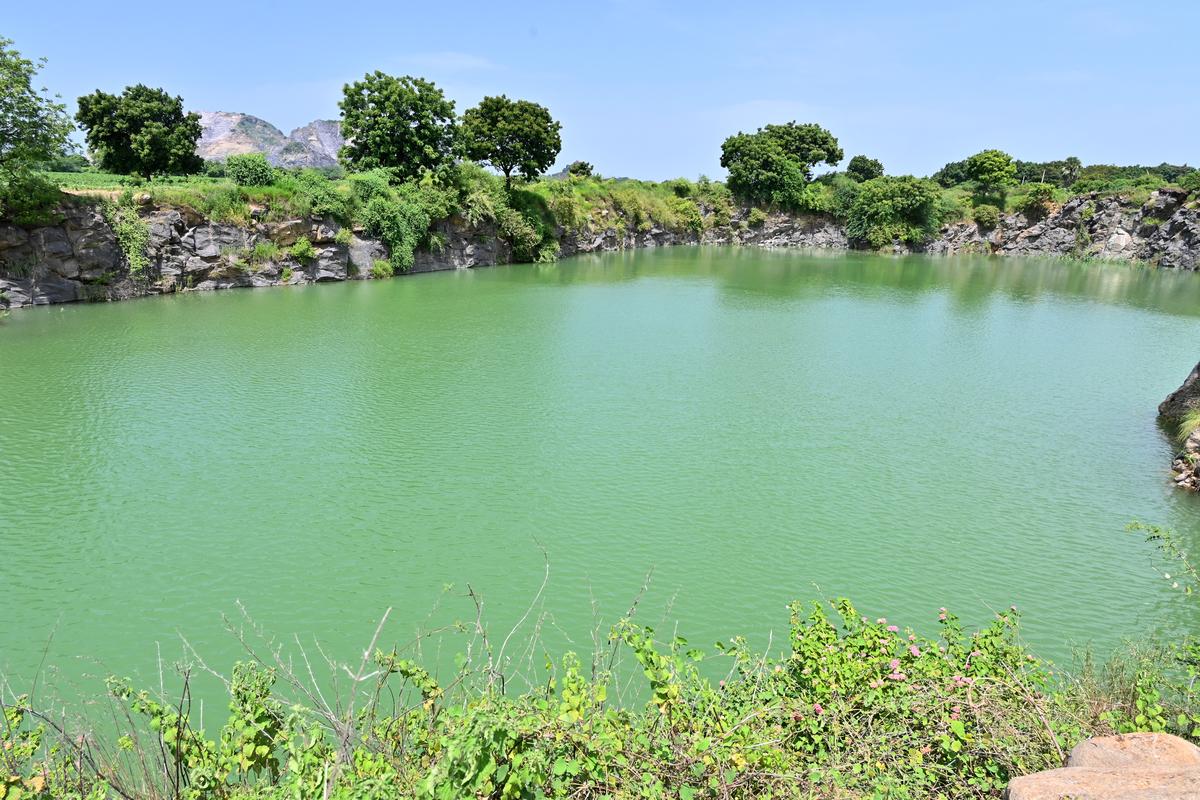
A waterbody formed by mining at Turakapalem village near Guntur.
| Photo Credit:
T. Vijay Kumar
The DMHO says that they have collected blood samples for a total of 41 tests, including 22 tests related to Complete Blood Profile (CBP) and 19 tests of biochemistry, from all the adults in the village and expect results within 72 hours. Based on the laboratory results, the department will provide necessary treatment to the patients.
Meanwhile, the opposition YSRCP, CPI and CPI(M) demand that the government provide financial assistance to the families of the deceased in the village on humanitarian grounds.