
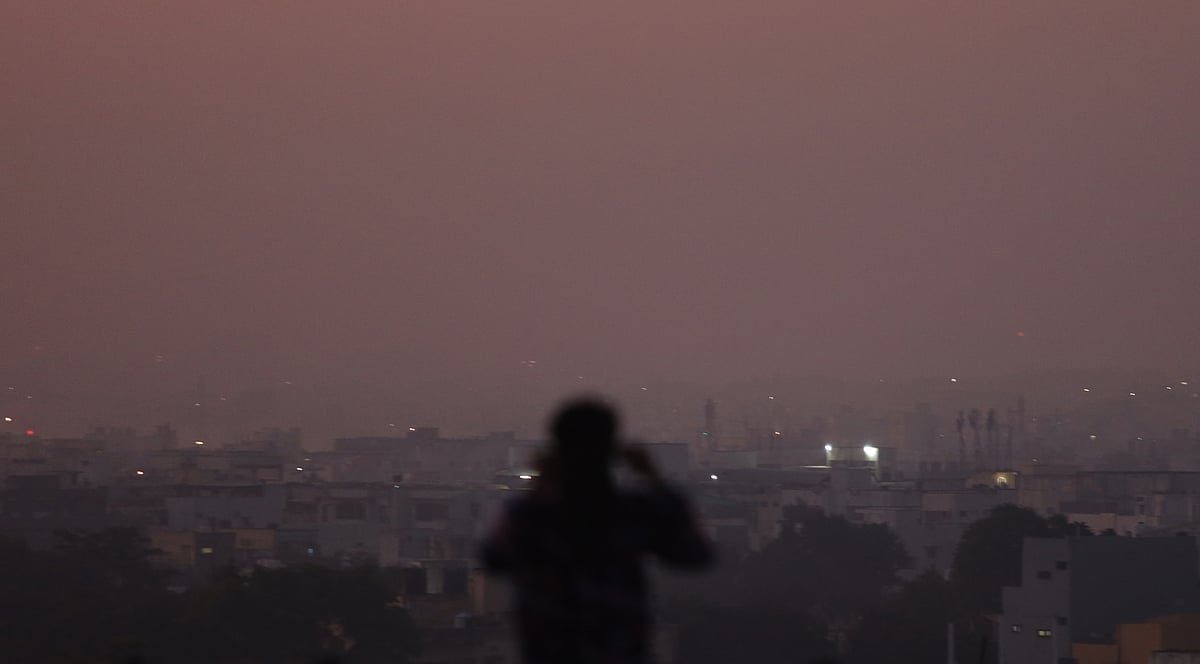
Exploring the psychological impact of pollution, clinical psychologist Zoya Ahmed explained, “Chronic exposure to pollution can disturb the brain’s normal chemical balance. Pollutants like nitrogen dioxide and carbon monoxide can lower one’s oxygen levels in the brain, leading to sleep disturbances, restlessness and slower cognitive processing. In children and older adults, we also see higher rates of insomnia and memory lapses, with one of the factors being pollution.”
Talking about how the psychological impact of pollution is often ignored in India, she said, “Most discussions focus on respiratory illness, ignoring how air quality silently affects our mental health. We need interdisciplinary awareness — psychiatrists, environmental scientists and policymakers working together. It’s time we see mental health as part of the climate conversation.”
‘The wealthiest pollute the most’
Today, many cities record AQI levels over 500. Vehicle usage grows, public transport lags, and rising temperatures intensify smog. Extreme climate events are becoming common. An environmentalist, Prof K Purushotham Reddy, argued that climate issues must enter mainstream political debate. He notes that India’s wealthiest contribute disproportionately to emissions while the poorest bear the impacts.
Sociologists and health experts asserted that clean air is a matter of social justice. Poorer communities live closer to pollution sources and face higher health risks.
Activist Priya Sharma said Hyderabad must enforce construction-dust norms and invest in public transport. Dr Krishnan, who runs a clinic, highlighted the emerging threat of ozone. Experts agreed that progress requires cooperation between the government, scientists and citizens. Meanwhile, Narasimha Reddy said Hyderabad’s steady gains must be supported through awareness and accountability. Dr Jaweed adds that informed citizens can amplify official efforts.
‘State policy inadequate’
Prof Purushotham Reddy said the evolution of India’s policy from the colonial Indian Forest Act of 1927 to the Forest Conservation Act (1980) and Air Act (1981) strengthened regulation. The Bhopal disaster in 1984 exposed gaps, leading to the Environment Protection Act (1986). The Act envisaged a powerful Environment Protection Authority, but it never materialised, he added.
Meanwhile, the Telangana Clean and Green Energy Policy 2024 aims to promote renewable energy, solar power, EVs, hydrogen fuel and clean technologies. But Narasimha Reddy said it lacks measurable targets, feasibility assessments, and integration across key sectors like transport, waste and agriculture. Without stakeholder consultation or monitoring systems, he warned, the policy risks remaining aspirational rather than transformative.