Hyderabad: Major developmental works have been stalled in all the urban local bodies (ULBs) in Telangana, including municipalities and corporations, for over a year. The so-called ‘special officers’, appointed after the term of the elected bodies ended in January, have no power to approve works involving an outlay of over Rs 5 lakh, leading to a grinding halt in the execution of many of the works.
The Telangana government appointed special officers for 128 municipalities and corporations in the state after the term of those ULBs ended in January this year. The Greater Hyderabad Municipal Corporation’s additional commissioners were assigned the roles in the peripheral corporations such as Jawahar Nagar and Boduppal.
As per norms, elections should be held before the municipal body completes its five-year term. If the ULB is dissolved, the election should be held within six months from the date of its dissolution. However, only one month is left for the completion of one year without the respective councils in the 128 ULBs, and there is no talk yet about the elections.
According to a senior official in the Commissioner and Director of Municipal Administration (CDMA), the appointment of special officers is a stopgap measure to ensure that essential urban services and governance continue uninterrupted when the democratic structure of elected representatives is unavailable temporarily. The special officers can sanction on their own works involving an outlay not exceeding Rs 5 lakh. Only the respective municipal council has the power to sanction works involving outlay beyond Rs 50 lakhs.
The major works in the Municipalities/Corporations are related to sewage pipelines, drinking water pipelines, street lighting, development of parks, and other works, which cost between Rs 50 lakh and Rs 2 crore even for a small locality. These works cannot be taken up unless the civic body gives its approval.
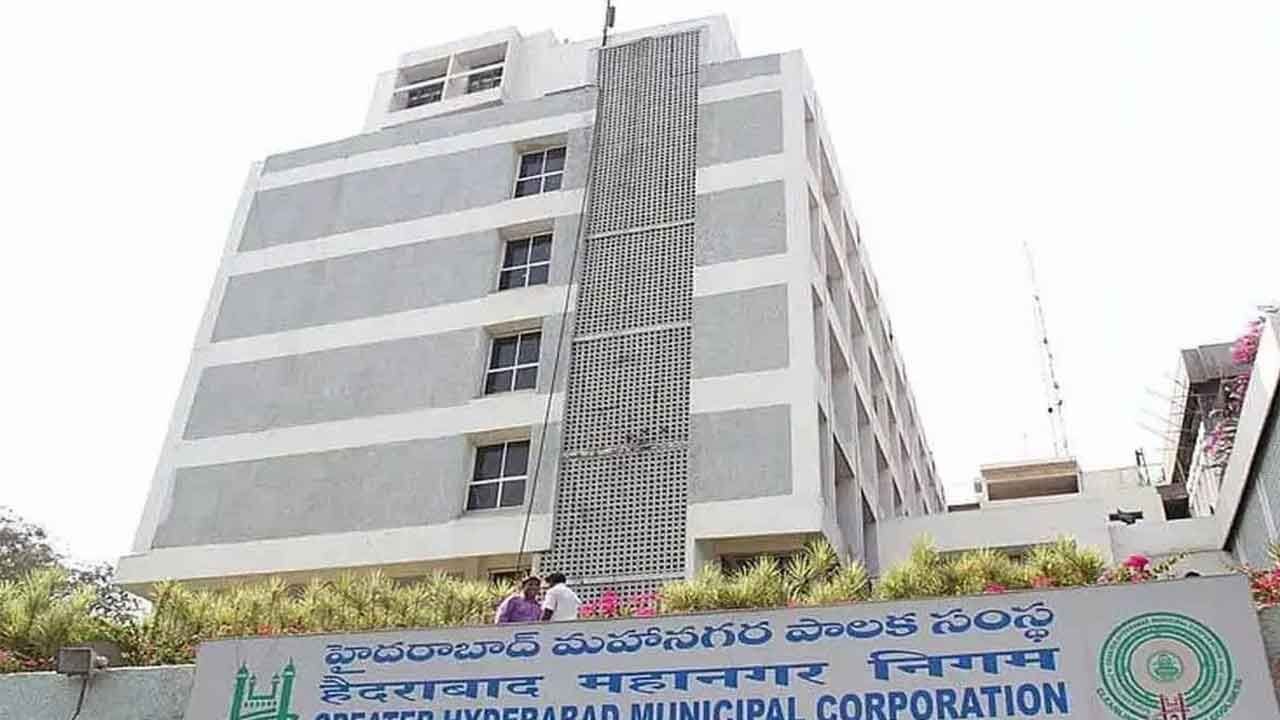
The term of the GHMC’s current council is ending on February 11, 2026 and (given the expansion of GHMC) there is no talk of election as of now. This would mean the ‘special officers’ would continue to rule the ULBs, of course with their hands tied.
When asked about urgent works, the official stated that in such cases, the special officer or the district collector can direct the execution of immediately necessary works and cover the expenses from the municipal fund, reporting the action to the Council at its next meeting, effectively bypassing the normal limit with justification and subsequent reporting.
The official added that the state government had recently sanctioned Rs 2,780 crore for developmental works in 138 municipalities, excluding those under Telangana Core Urban City area. The official said that 2,432 works were proposed to be taken up. As per the plan, newly formed municipalities were sanctioned Rs 15 crore each, existing ones that absorbed nearby gram panchayats Rs 20 crore each, and the older municipalities were sanctioned Rs 15 crore each. The newly created municipal corporations were sanctioned Rs 30 crore each.
The department has issued guidelines for spending on works such as internal roads, drainage, junction improvements, pollution control in local water bodies, as well as parks and culverts, which would be completed by March 2026, the official said.